
The Artist Was Admired by the Likes of Frederick Douglass and Henry Wadsworth Longfellow in Her Lifetime, but After a Period of Fame She Sank Into Obscurity – and This Landmark Survey is Long Overdue
The Artist Was Admired by the Likes of Frederick Douglass and Henry Wadsworth Longfellow in Her Lifetime, but After a Period of Fame She Sank Into Obscurity – and This Landmark Survey is Long Overdue
From the April 2026 issue of Apollo.
Edmonia Lewis (1844–1907), an American sculptor long based in Rome, chiselled white marble into compelling portraits of martyrs, villains and saints. She rendered Abraham Lincoln with anxious furrowed brow, Cleopatra enthroned and slumped in death throes, and Christopher Columbus triumphantly brandishing a navigational map. Lewis globetrotted to exhibit and sell her works and sat for interviews with the New York Times, among other publications. Her studio in Rome attracted admirers as elite as Pope Pius IX and the author Henry Wadsworth Longfellow.
Yet by the 1890s, for unknown reasons, she had abandoned the art world. Until recently, much about her life and career remained shrouded in mystery, including even her burial place. The Peabody Essex Museum’s revelatory, mesmerising show (travelling to the Georgia Museum of Art and the North Carolina Museum of Art) marks a triumph over research roadblocks. ‘Works remain missing and archives keep silent,’ as the curators Jeffrey Richmond-Moll and Shawnya L. Harris explain in the catalogue.
Lewis was born near Albany, New York, but her parents can be identified only tentatively as Richard Lewis, an Afro-Caribbean immigrant, and Margaret Groat Mike, part of whose family belonged to the Mississauga tribe. Edmonia, orphaned as a girl, was raised by maternal aunts. The family travelled widely to market their moccasins, baskets and pincushions, ornamented with beads imported from Italy. Lewis later told friends and reporters that she had lived in wigwams during her nomadic childhood and that her half-brother Samuel was ‘brought up in the same wild manner’.
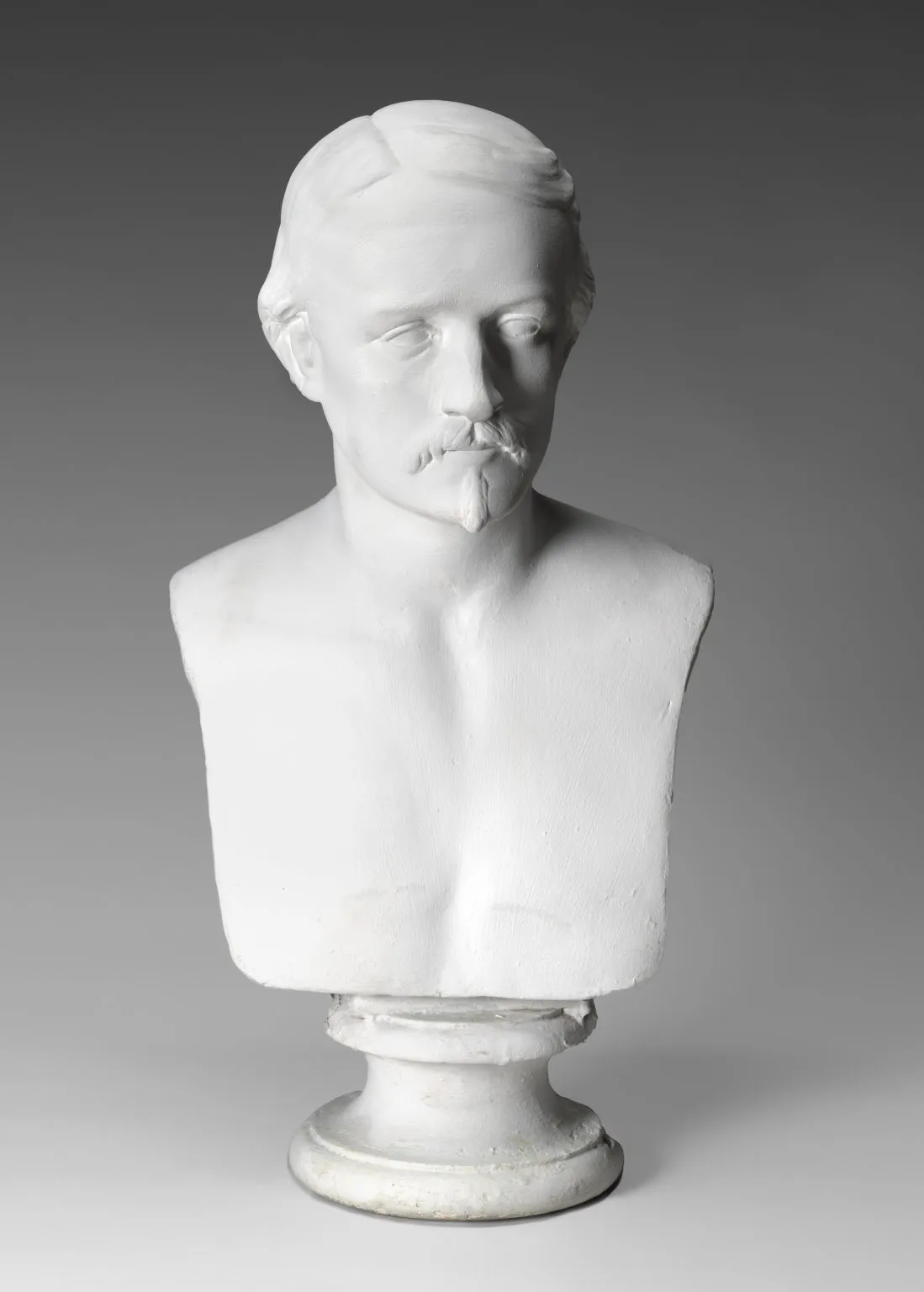
So how did this supposedly unschooled girl, nicknamed ‘Wildfire’, enrol as a teenager in colleges, where she drew praise for her budding art talent from eminences including Frederick Douglass? (Samuel, meanwhile, reinvented himself often over the years, working as a circus tightrope walker, musician, magician, miner, barber, politician and real-estate developer, eventually building his family a house in Bozeman, Montana.)